Theremin
How does it work?
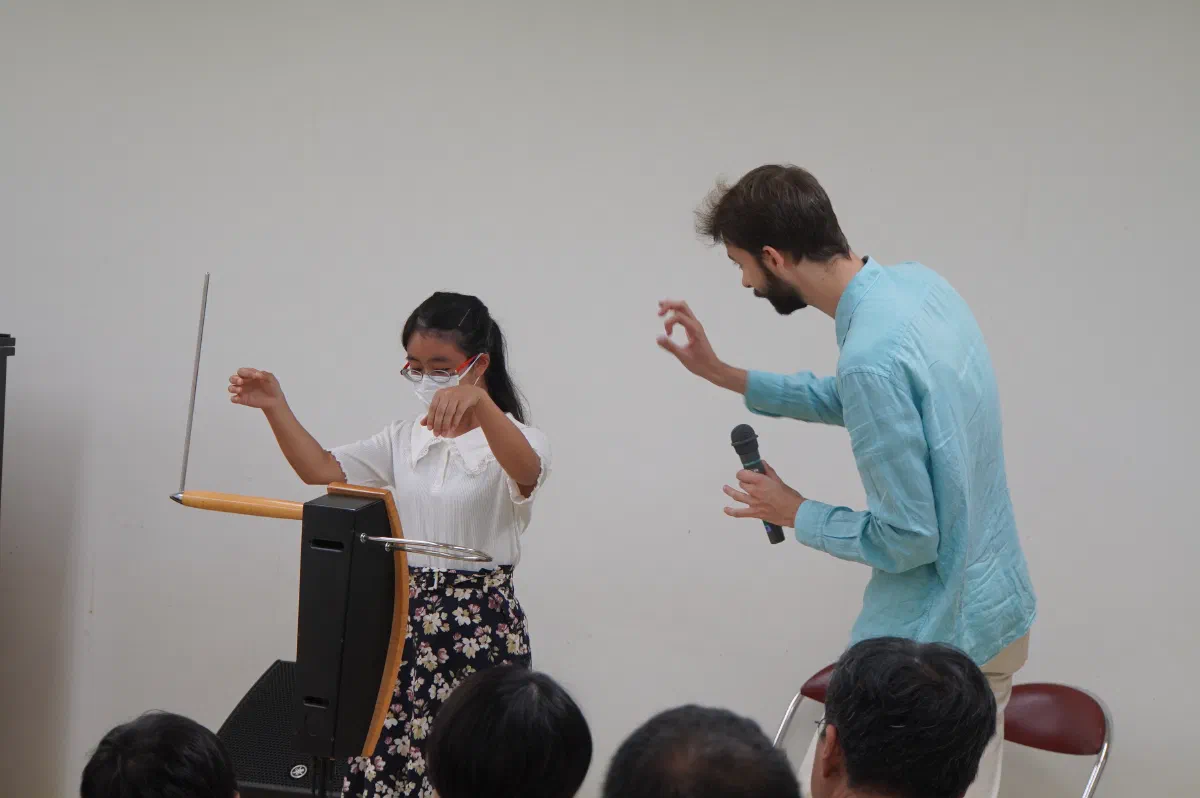
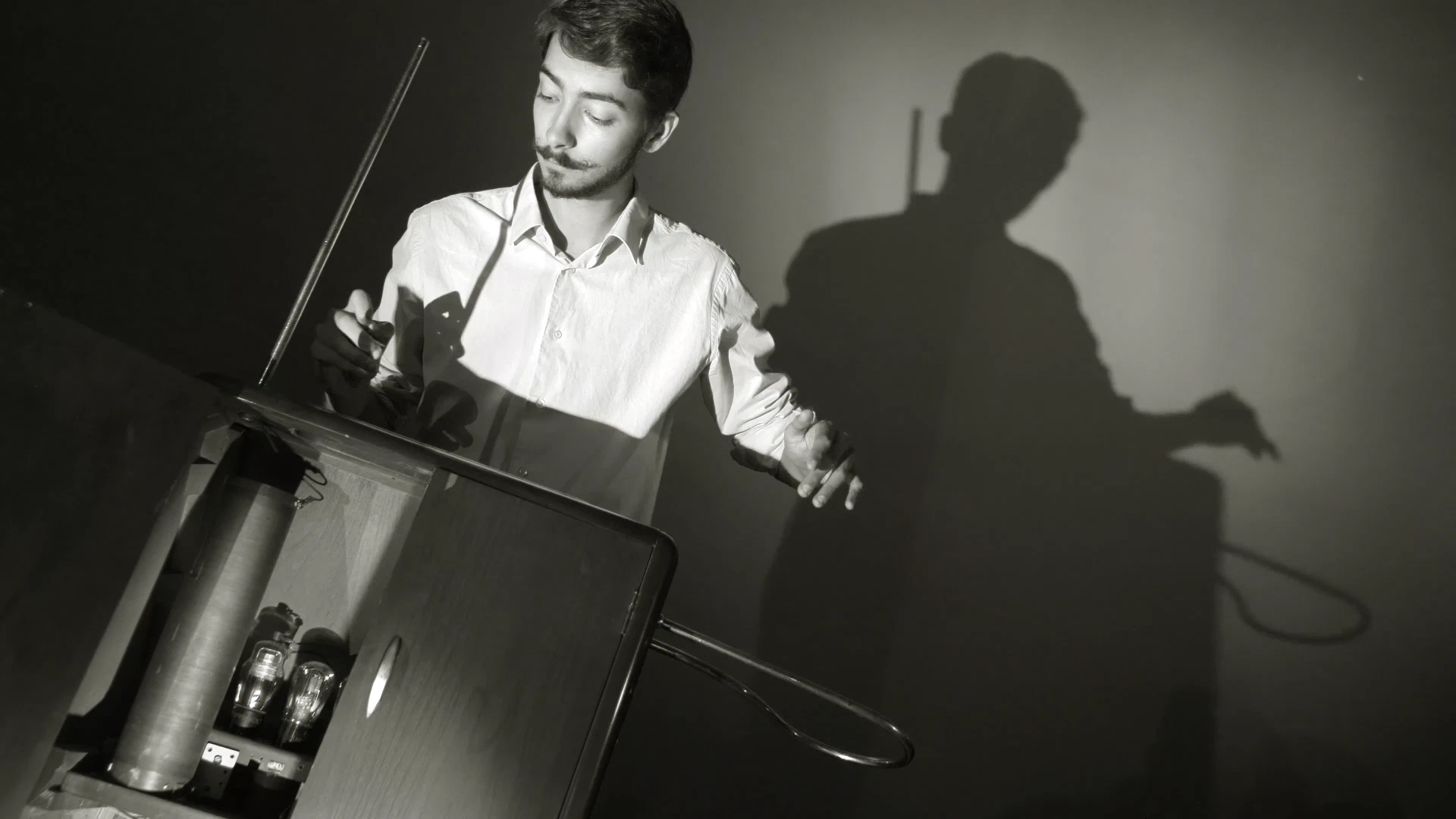
No strings, no keys… The thereminist plays in the air, interacting with two electromagnetic fields. One on the left side, looking like a “loop”, affecting the volume. And another one on the right, to control the pitch, behaving like an invisible string.
Here are two short instagram reels, focusing on the volume and the pitch .
How does it work?
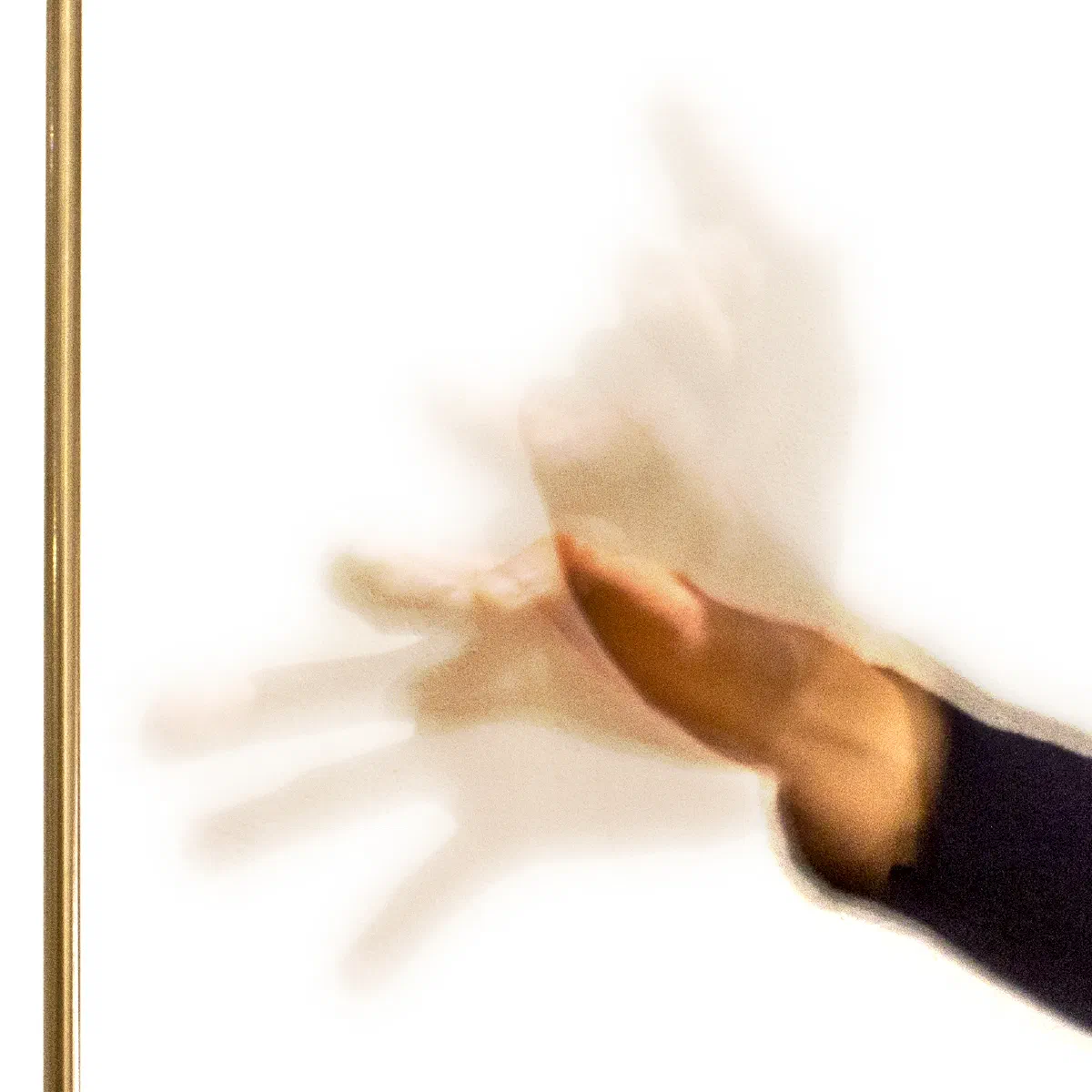
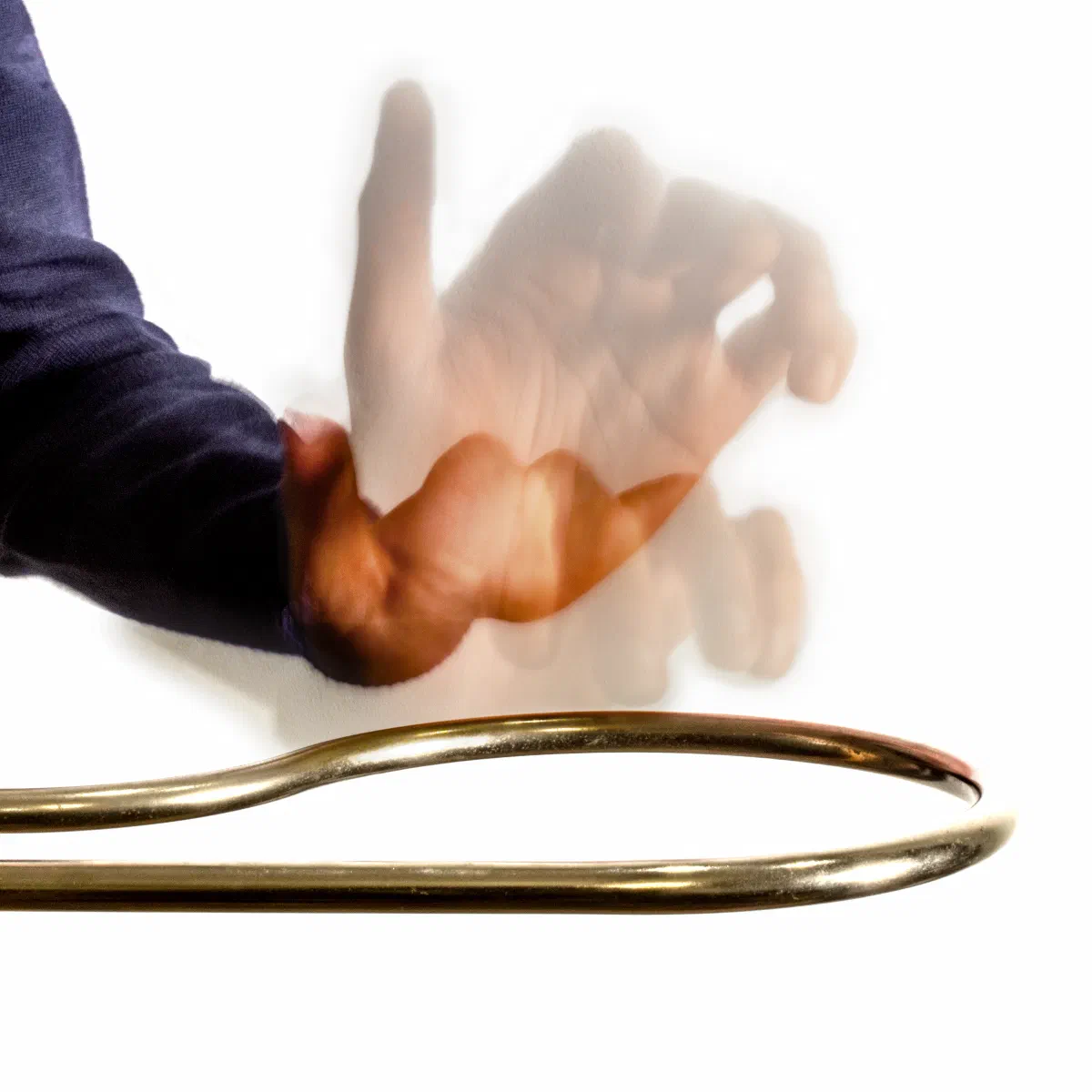
No strings, no keys… The thereminist plays in the air, interacting with two electromagnetic fields. One on the left side, looking like a “loop”, affecting the volume. And another one on the right, to control the pitch, behaving like an invisible string.
Here are two short instagram reels, focusing on the volume and the pitch .
Why is it special?
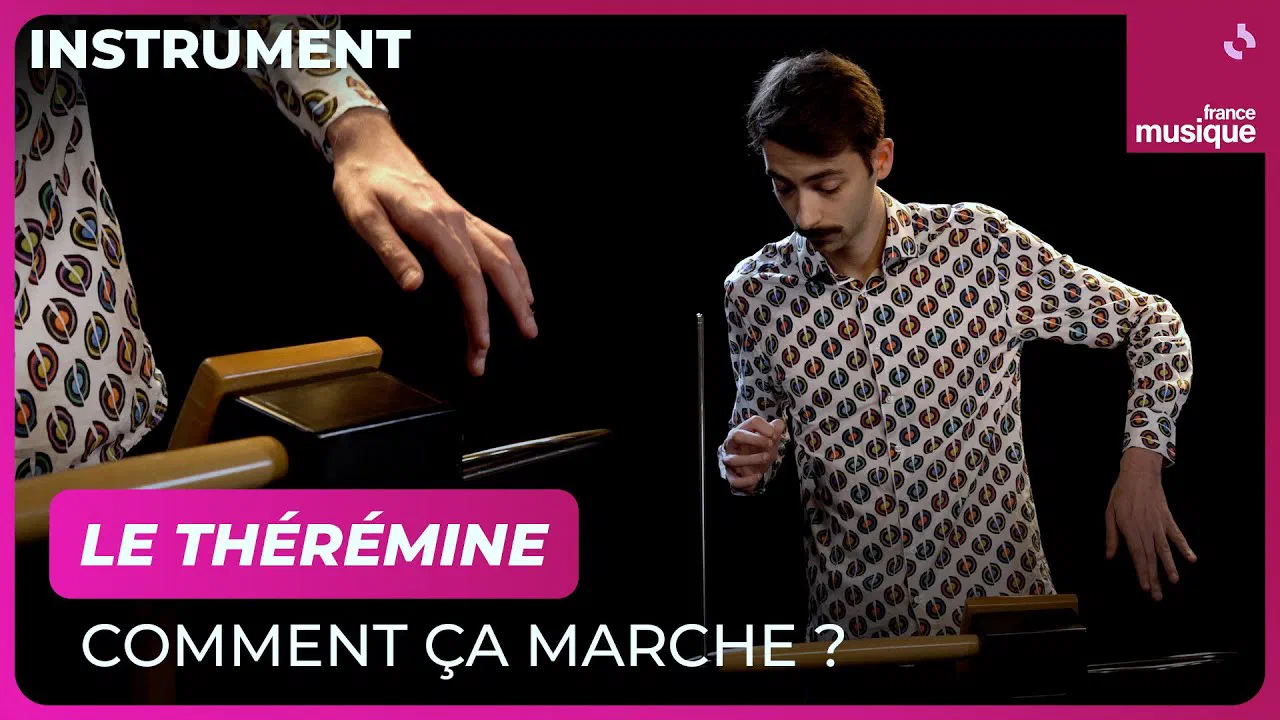
The theremin is often reduced to an instrument you play without physical contact, but there is much more to it.
Most synthesizers offer extensive control over sound generation and timbre, often at the expense of a rigid, machine-like interface (potentiometers, sliders, trigger-switches…). The theremin, by contrast, has an almost fixed timbre. Yet its organic playing technique enables a high degree of expressivity. Phrasing and articulation become defining elements of a performer’s musical identity — something quite rare in electronic music.
Siblings
Musical saw – Lame sonore
Frequently compared to the theremin — both being unusual instruments capable of indecent glissandi — the musical saw does share some similarities in its sound and playing philosophy: no frets, no markers, every note must be found by ear, within a continuous space. But the comparison stops there: articulation, phrasing, repertoire… the approach remains very different.
In 1933, Jacques Keller developed an improved version: the “lame sonore”. Thanks to its isosceles shape, it has better sustain and a slightly wider range. The best ones are made by Alexis Faucomprez .

Ondes Martenot
The Ondes Martenot is without doubt the closest instrument to the theremin. It was invented in the same period by another brilliant genius, Maurice Martenot. Widely used by great composers, taught in prestigious conservatories, the Ondes do have a more “serious” image.
Its peculiar double-sided playing technique (keyboard and ribbon) paired with comprehensive and playable timbre controls make it very versatile.
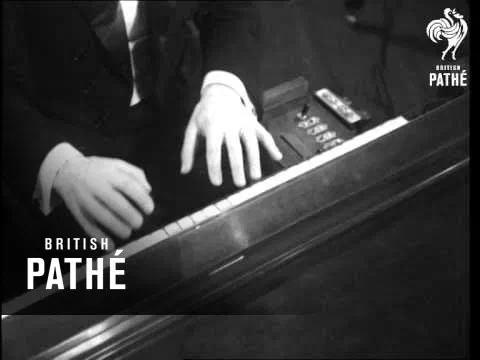
History
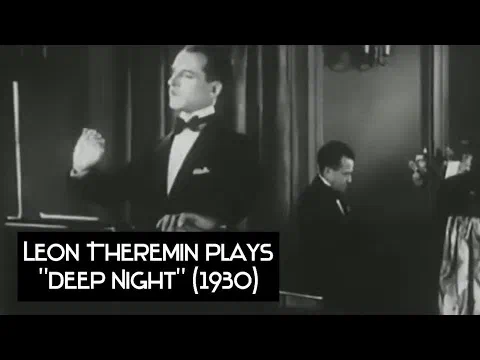
Lev Sergueïevitch Termen (1896-1993)
The theremin was invented by a Russian physicist, Lev Sergueïevitch Termen (Лев Сергеевич Термен, or Leon Theremin). Born in 1896 in St. Petersburg, he dedicated his life to scientific research.
As he was working on the design of a new electronic device, aimed at measuring gas density, he observed some interference correlated with the proximity of his own hand. He was immediately inspired and the idea of using this unexpected interaction to build a musical instrument began to take shape.
As a cellist, he naturally started playing some pieces from the repertoire on his invention. His musical background helped him greatly in refining the prototype until it became a playable musical instrument.
In 1922, he was invited to introduce his invention to Lenin, who was greatly interested — his enthusiasm echoing his own motto, “communism is Soviet power plus the electrification of the whole country” — and sent him all around the country to spread the word.
If you want to read more: Albert Glinsky’s biography, Theremin: Ether Music and Espionage.
“An instrument with a great future behind it”
This witticism from writer Ken Hollings is very accurate: 100 years after its invention, the theremin is paradoxically considered futuristic, yet a forgotten mystery from the past century. Think of the cool gadget played by Sheldon Cooper in “The Big Bang Theory,” or the eerie, ghostly sound heard in 1950s sci-fi movies.
The theremin has acquired its musical legitimacy thanks to a handful of people who were convinced by its unique voice and were able to bring it to new horizons.
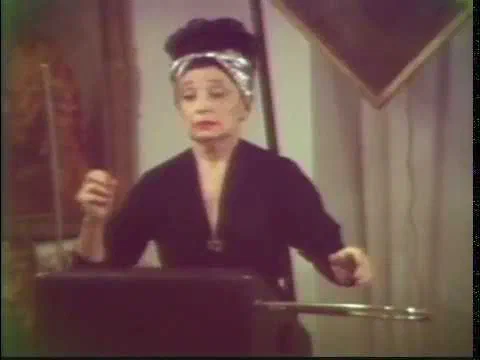
Clara Rockmore was the very first theremin virtuoso, devoting herself to classical music in a very distinctive style. Alongside Rockmore’s classical approach, Samuel Hoffman brought the theremin to Hollywood with great success.
Before developing synthesizers, Robert Moog started out building theremins — and stayed true to them throughout his career. Thanks to him, fine instruments have been available on the market for decades.
A new interest in the instrument has arisen over the past decade, largely thanks to the global reach of the internet. Even though the “joke instrument” cliché persists, a few professional musicians are proving its worth. Now, the challenge for contemporary thereminists is clear: going beyond the novelty factor and playing music!
I want to get my hands on it!
Instruments
The D-Lev : a modern digital theremin
The classic Moog Etherwave
Open Theremin : a DIY arduino-based theremin
Learning resources
Carolina Eyck’s video tutorials on YouTube
Lydia Kavina’s online theremin workshops
Online forums
Facebook groups: Levnet / Theremania / etheremin
Books
Historical references:
- Albert Glinsky: Theremin: Ether Music and Espionage
- Laurent de Wilde: Les Fous du Son
Methods:
- Coralie Ehinger & Jimmy Virani: Manuel d’initiation au thérémin
- Carolina Eyck: The Art of Playing the Theremin
Fictional works:
- Emmanuel Villin: La Fugue Thérémin
- Sean Michaels: Us Conductors
Do you teach?
Not consistently, but I’m always happy to help.